Urban Megaprojects
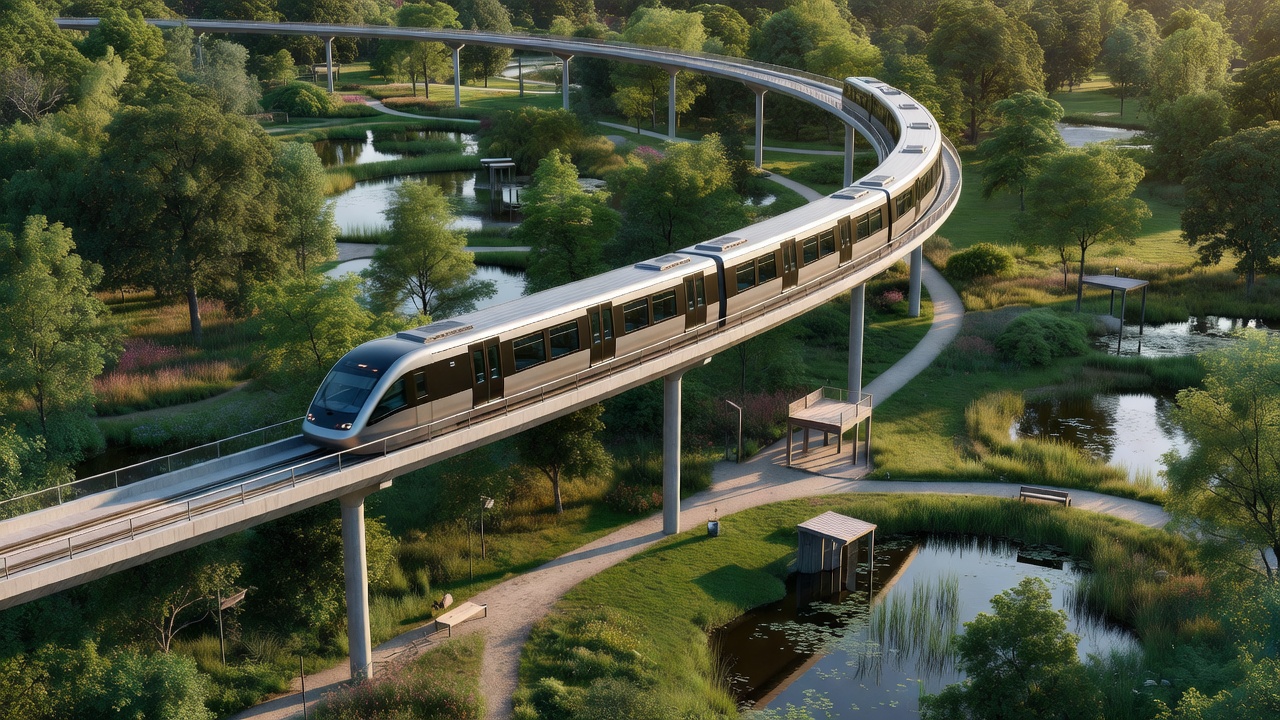
The 21st century's mid-decade mark is characterized by a fundamental rethink of municipal planning. Megacities are moving past sprawling concrete developments, turning their focus toward adaptive reuse, integrated hydrological infrastructure, and multimodal micro-mobility.
1. The Sponge City Engineering Standard
Following consecutive years of volatile seasonal precipitation, metropolitan areas including Wuhan, Copenhagen, and Philadelphia have updated their structural building codes to mandate "sponginess." This strategy requires every new civic building to absorb, retain, and naturally filter at least 70% of stormwater locally.
Through bioswales, subterranean gravel retention vaults, and permeable basalt pavers along roadways, these interventions keep stormwater from overwhelming legacy sewer networks. The captured runoff feeds non-potable greywater recycling systems, cooling district heat sinks and hydrating urban tree canopies during summer heatwaves.
The Copenhagen Cloudburst Conduits
Rather than building massive underground storm tunnels, the municipality restructured over three hundred public boulevards into recessed runoff conduits. During cloudbursts, these streets temporarily channel excess floodwaters safely toward open harbor basins, functioning as public parks and sports corridors during dry weather.
2. Multimodal Transit Reclaiming Highway Viaducts
The legacy of 20th-century elevated automobile freeways is undergoing systematic dismantling across South America, East Asia, and Western Europe. Rather than total demolition, engineering teams are reinforcing and retrofitting these elevated decks into multimodal avenues.
In Seoul and São Paulo, multi-tiered viaducts have been repurposed: the top decks are dedicated to autonomous light-rail trams and wide bicycle superhighways, while the sheltered spaces beneath provide community market stalls, sports facilities, and micro-logistics hubs for electric cargo deliveries.
3. District-Level Geothermal & Thermal Grids
As cities work toward decarbonizing heating and cooling systems, district thermal microgrids have become a primary civic infrastructure priority. By tapping deep geological heat sources and capturing industrial waste heat from server farms and light manufacturing, neighborhoods can distribute temperature-regulated water through closed-loop circuits.
This approach drastically cuts electrical consumption during seasonal peaks, stabilizing municipal utility grids and shielding urban residents from global fossil fuel price volatility.
| Metropolis | Infrastructure Scope | Target Metric | Completion Est. |
|---|---|---|---|
| Seoul Metro | Elevated Viaduct Greenways | 38 Kilometers Reclaimed | Q4 2027 |
| Wuhan Urban Core | Sponge Basin Permeability | 85% Runoff Absorption | Fully Certified |
| Vienna Westbahnhof | District Geothermal Enclave | 45,000 Homes Heated | Operational |
| Curitiba Transit | Electric Bi-Articulated Trams | 100% Zero Direct Emission | Q2 2026 |