Cultural Resurgence
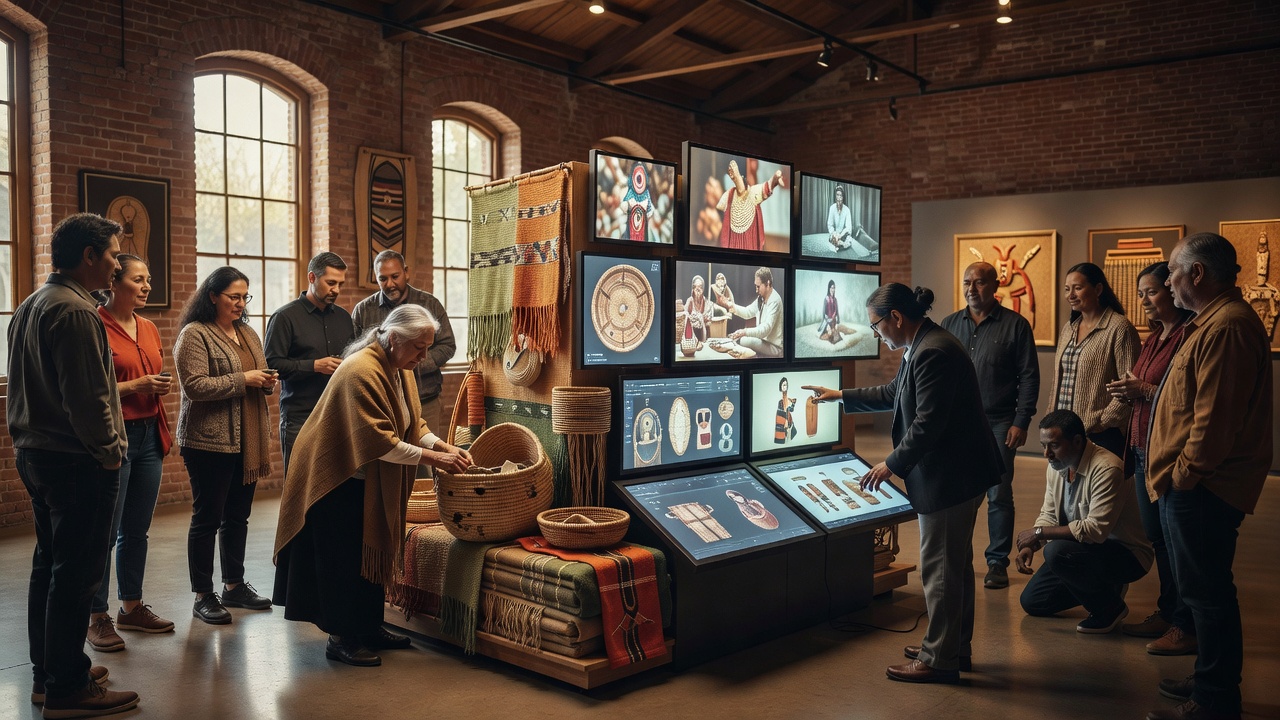
Across the world, cultural dynamics are moving away from passive consumption toward participatory preservation and community-driven media. In both post-industrial urban centers and rural heritage valleys, artists, researchers, and local collectives are reclaiming community narratives from centralized broadcast monocultures.
1. The Rise of Vernacular Memory Repositories
In regions facing rapid urbanization, historical oral accounts, dialect nuances, and traditional textile craft patterns are frequently overlooked by traditional museums. In response, a widespread movement of "Vernacular Repositories" has gained momentum across Oaxaca, Chiang Mai, and the Basque Country.
These projects do not rely on institutional funding or commercial cloud platforms. Instead, they utilize low-cost, solar-powered local area network nodes—often termed "cultural hotspots"—installed in public squares, libraries, and markets. Any passerby can connect via a basic mobile browser to stream elder testimonies, download traditional woodworking diagrams, or contribute contemporary street photography.
The Oaxaca Textile Cartography Initiative
An association of master weavers and digital archivists mapped over four hundred ancestral botanical dye recipes and backstrap loom drafting schemes. The open-access dossier protects indigenous design ownership against commercial appropriation while offering open educational access for regional apprentice weavers.
2. Kinetic Public Architecture and Communal Stages
Contemporary public spaces are adapting to spontaneous civic engagement. Rather than commissioning permanent bronze monuments, municipal cultural councils in places like Montreal, Melbourne, and Berlin are prioritizing adaptive, modular public staging grounds.
Constructed from sustainable timber frames and reconfigurable acoustic baffles, these stages can be repurposed in minutes from open-air cinema venues into traditional chamber orchestra salons or community debate rostrums. This flexibility encourages spontaneous cultural gatherings that reflect the neighborhood's immediate interests.
3. The Slow Media & Micro-Publishing Renaissance
As an intentional response to ephemeral online feeds, independent print journals and neighborhood risograph workshops are flourishing in creative hubs globally. These publications prioritize deliberate, long-form journalism, investigative photo essays, and locally relevant economic commentary.
By keeping circulation between 500 and 5,000 numbered copies and relying on direct subscriptions or community distribution, these micro-publishers remain insulated from algorithm shifts, building thoughtful, loyal reader communities.
| Collective Initiative | Geographic Base | Primary Medium | Community Reach |
|---|---|---|---|
| Andean Sound Cartography | Cusco Valley | Local Wi-Fi Audio Archive | 45 Mountain Villages |
| Atelier Risograph Leipzig | Saxony, Germany | Quarterly Print Periodical | 1,200 Subscribed Guilds |
| Chinatown Storytelling Lab | Vancouver, Canada | Augmented Oral Walking Tours | Over 80,000 Visitors |