Civic Mobilization
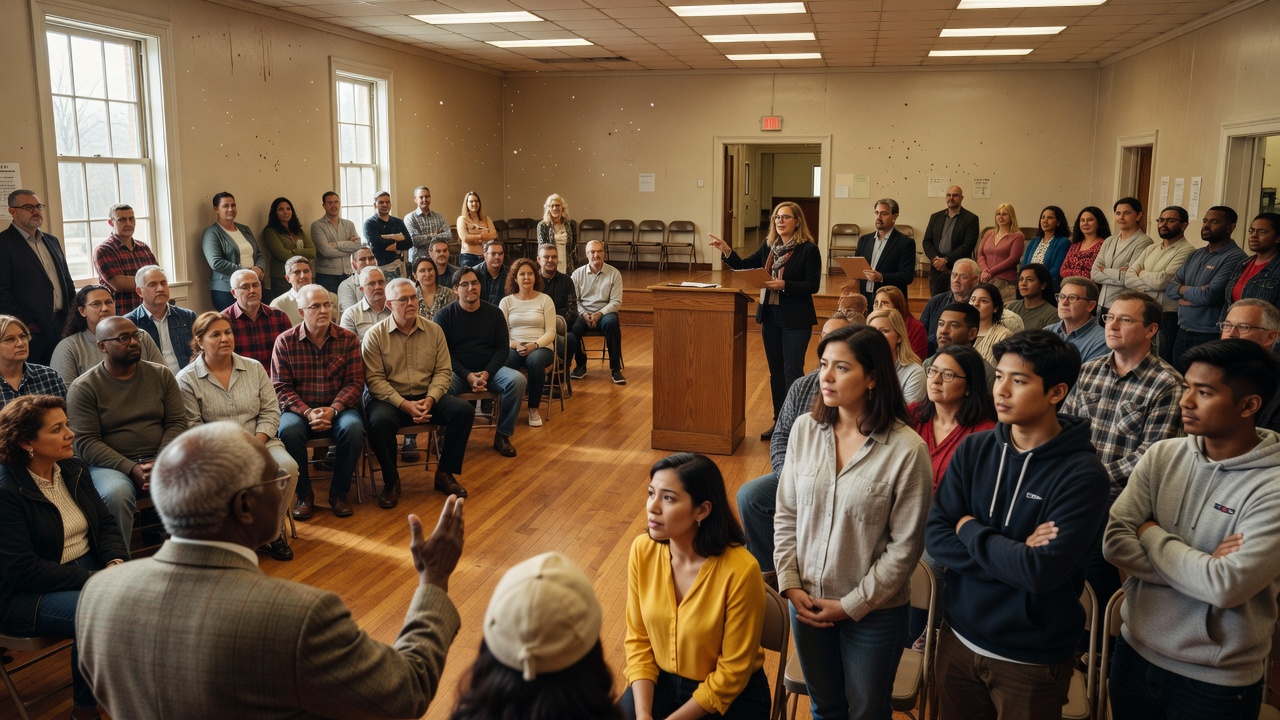
At the foundation of global society, direct democratic engagement is experiencing a notable revitalization. Facing institutional gridlock, communities on every populated continent are taking civic responsibility into their own hands, building resilient participatory frameworks for local governance.
1. The Maturation of Sortition-Based Citizens' Assemblies
In places like Ireland, Taiwan, and Colombia, citizens' assemblies formed through sortition (lottery-based civic selection representing all age brackets and socio-economic backgrounds) have moved from advisory experiments to recognized statutory bodies.
These assemblies tackle complex issues, from long-range regional water allocation to municipal renewable energy zoning. Because participants are selected at random and not subject to reelection cycles, their deliberations foster constructive consensus over partisan disputes, providing clear public mandates for municipal councils.
The Bogota Participatory Eco-Council
A representative panel of 150 randomly chosen citizens managed the municipal allocation of over forty million dollars dedicated to urban watershed remediation. Their final consensus plan delivered faster approvals and higher neighborhood satisfaction than previous municipal bureau tenders.
2. Decentralized Mutual Aid & Resource Cooperatives
The legacy of mutual aid networks, which expanded during the global crises of the early 2020s, has formalized into dependable neighborhood support networks. These independent cooperatives run tool-sharing libraries, micro-emergency child care, and community seed banks.
By avoiding traditional bureaucratic overhead and using open ledger systems, these groups ensure aid and emergency support reach vulnerable residents quickly during cold snaps, heatwaves, or unexpected transit disruptions.
3. Open-Source Civic Technologies
Digital tools for direct democracy have evolved well beyond commercial social platforms. Municipalities and independent civic developer collectives collaborate on open-source, encrypted consensus frameworks like Decidim and Polis.
These platforms help large groups of residents map community priorities, draft ordinance proposals, and cast ranked-choice votes with cryptographic verification. This approach keeps community decisions transparent, verifiable, and free from automated online interference.
| Civic Coalition | Primary Mechanism | Key Outcome | Verification Status |
|---|---|---|---|
| Decidim Barcelona | Open Participatory Software | 2,300 Civic Proposals Enacted | Open-Source Verified |
| Taiwan vTaiwan Circle | Consensus-Mapping Engine | Rideshare & Digital Regulations | Statutory Adoption |
| Bristol Mutual Guild | Neighborhood Time Banking | 120,000 Service Hours Traded | Autonomous Audit |